
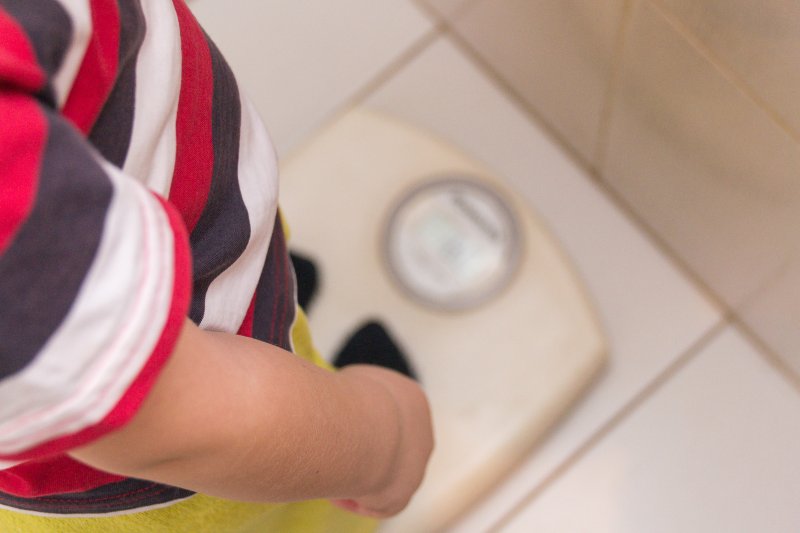
Making sure your child is eating the right foods, being physically active, and getting plenty of sleep can be a struggle. Convenience, busy schedules, and the digital world tend to creep into households, causing a plethora of problems, including an increased risk of childhood obesity. If you’re concerned about this reality, here are some tips to prevent it from affecting your child’s health and overall well-being.
Childhood Obesity: What Do the Statistics Say?
The Centers for Disease Control and Prevention (CDC) and the National Institute of Diabetes and Digestive and Kidney Diseases (NIDDK) report that between 2021 and 2023, more than 21% of all children ages 2-19 were considered “obese.”
This growing problem is not going unnoticed by pediatricians and healthcare professionals. In fact, long-term issues that develop during childhood can persist into adulthood if left unaddressed. The result can be costly treatment and care that takes a negative toll on their physical, mental, and emotional well-being.
Tips to Prevent Childhood Obesity
Whether you are concerned about your child’s overall health or you want to learn how you can reduce your child’s risk of type 2 diabetes, sleep apnea, high blood pressure, and more, here are some tips to consider:
- Set an example in your home. If you eat healthy foods and lead an active lifestyle, your child will also be more likely to do so the same.
- Make healthy foods a staple in your family’s diet. When preparing meals, incorporate fresh fruits and vegetables, whole grains, and dairy. Avoid heavily processed foods and those high in sugar and carbohydrates.
- Let your kids help you in the kitchen. Children who help their parents cook are more likely to try new foods. They’re also likely to enjoy the process and learn how to make various foods taste good.
- Limit their screentime. Tablets, video games, TV shows, and other screens should be limited while at home. Spending too much time on these devices can lead to less physical activity and exercise.
- Make exercise fun as a family. After dinner, take a walk together (and bring the dog!). You can also plan park outings that allow them to run and play. Swimming is a great physical activity as well. If you need to get some housework done, ask your child to help you rake leaves or wash the car.
If you’re concerned about childhood obesity affecting your little one, don’t wait to talk to the pediatrician. By asking for tips and getting the help you need early, you can reduce their risk and give your child the best chance to stay healthy now and in the future.
About the Author
Dr. Aaron Weiss is a father of two and a board-certified pediatrician and neonatologist in Orlando. Providing customized care for children aged 0-18, he aims to help them lead healthy lives. He offers solutions and tips to help parents reduce the risk of childhood obesity affecting their little ones. If you have concerns and want to learn what you can do, contact us at (407) 477-6774.